Sustainability
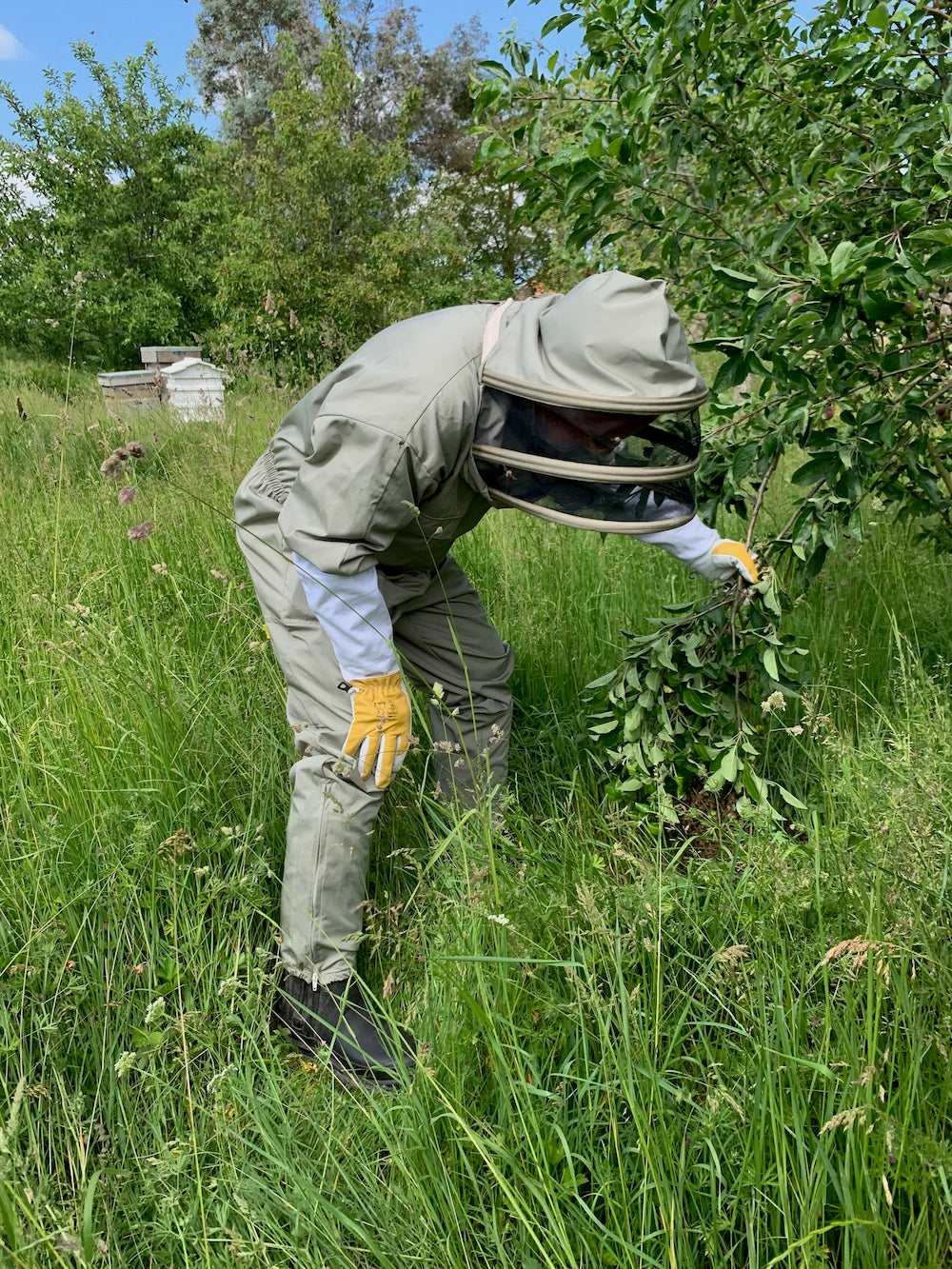
We are beekeepers
Bees are vital for pollinating our trees, playing a crucial role not only in walnut production but also in sustaining global food crops, supporting biodiversity, and maintaining healthy ecosystems. They contribute significantly to agricultural economies and produce valuable products like honey and beeswax. Recognising their importance, we often rescue swarming bees and provide them with a home in our wooden beehives, ensuring their survival and continued contribution to our planet. #SaveTheBees
A circular zero-waste system
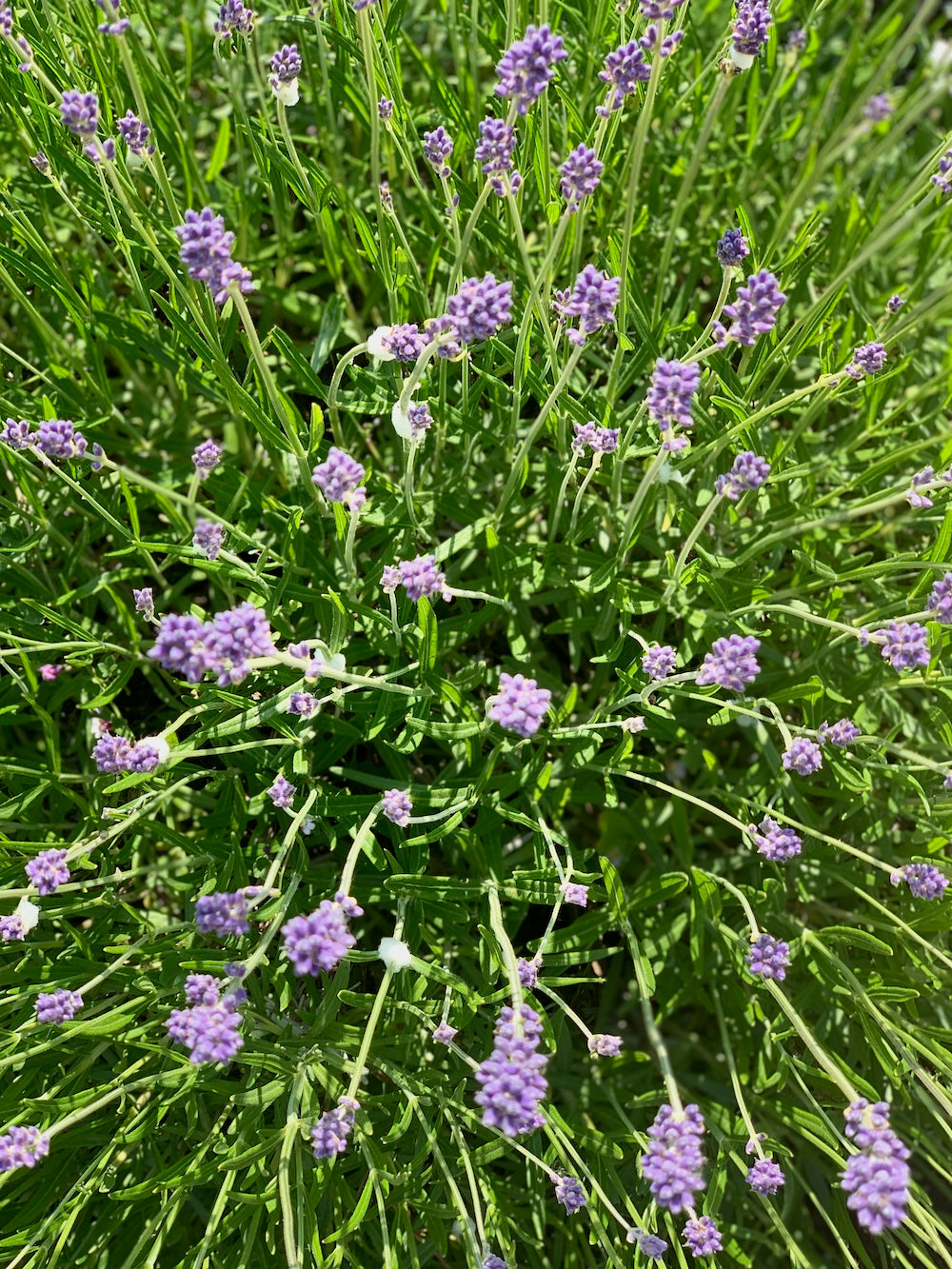
Wildflower Meadows
At Sharpham Park, our wildflower meadows are a testament to our commitment to sustainable farming. These meadows support biodiversity by providing habitats for wildlife and essential resources for pollinators like bees and butterflies, which enhance crop pollination and yields. They also contribute to soil health, water management, and natural pest control, reducing the need for chemical interventions. Beyond their environmental benefits, our wildflower meadows add to the natural beauty of the landscape and help combat climate change by sequestering carbon, reflecting our dedication to sustainable and resilient farming practices.
Farming in balance with nature
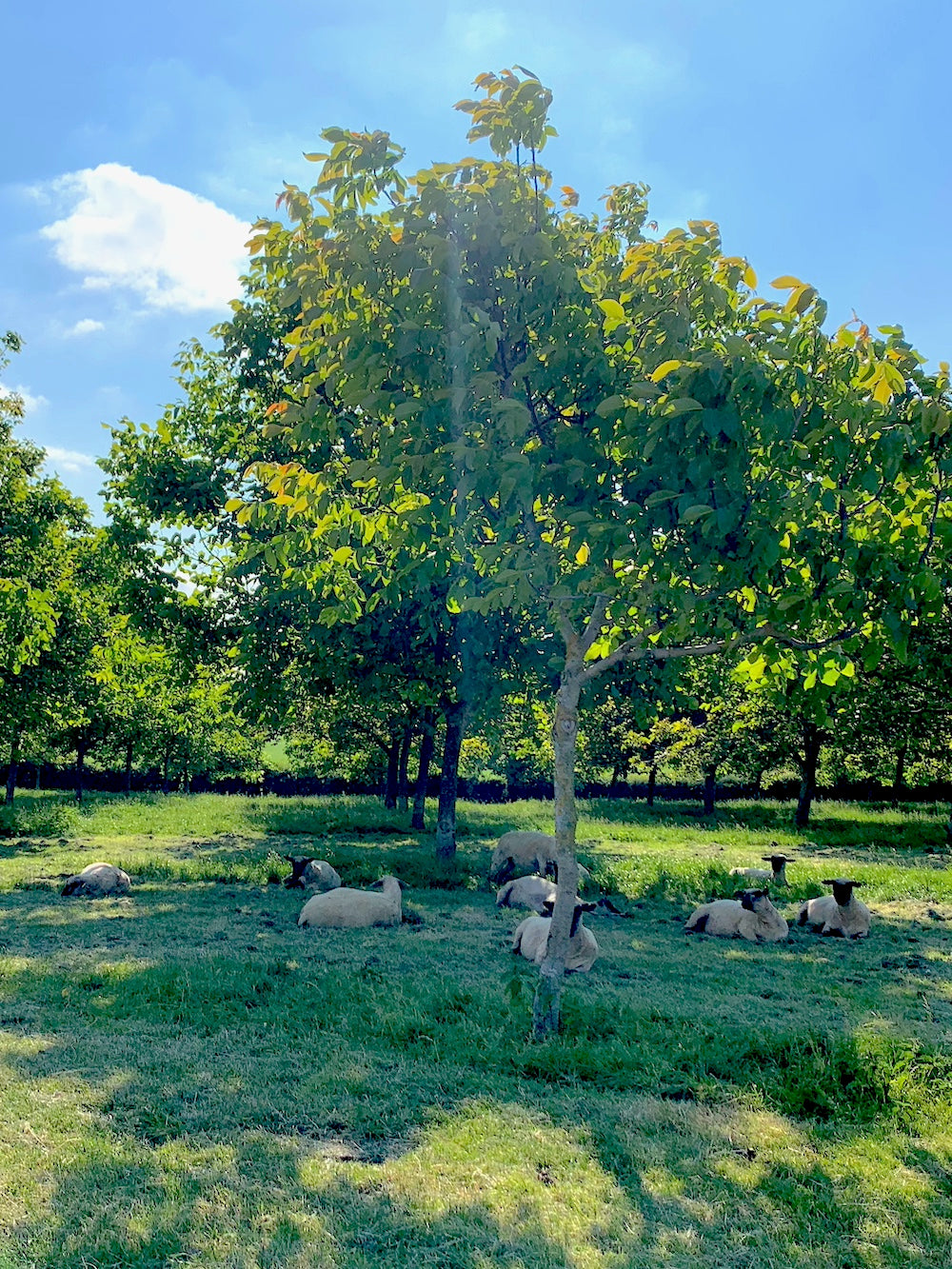
Shropshire Sheep
On our farm, we prioritise sustainability, ecology, and biodiversity by using sheep to graze and fertilise our orchards. Over the past decade, we've integrated sheep into our organic farming cycle to control weeds without herbicides, allowing our crops to thrive. We use Shropshire sheep, known for being "tree-friendly," as they graze without debarking our walnut and apple trees—a process where sheep strip the bark, potentially killing the trees by cutting off their nutrient supply. Additionally, the sheep provide natural fertilisation with their manure. This eco-friendly method supports our commitment to organic and regenerative farming, promoting a healthier environment and robust crop yields.
Organic by design
Blog Articles: Sustainability
-
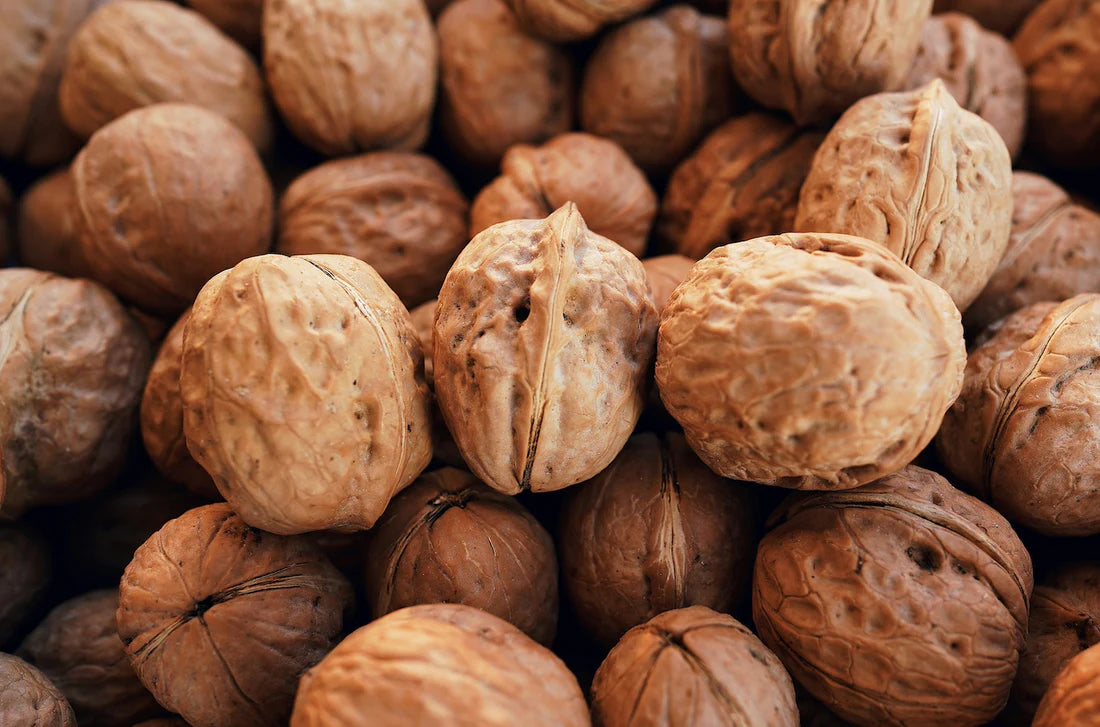
Walnuts, recognised as a Top 50 Sustainable Future Food by the Knorr & WWF report
Learn MorePossibly the oldest tree food known to humans, records report walnut consumption dating back 10,000 years49. Containing more omega 3 fatty acids and vitamin E than many other nuts, the kernel itself resembles the two halves of a brain, reinforcing their nickname of ‘brain food’. Walnuts contain protein, vitamins and minerals, and have been claimed to be one of the most nutritious nuts.
-
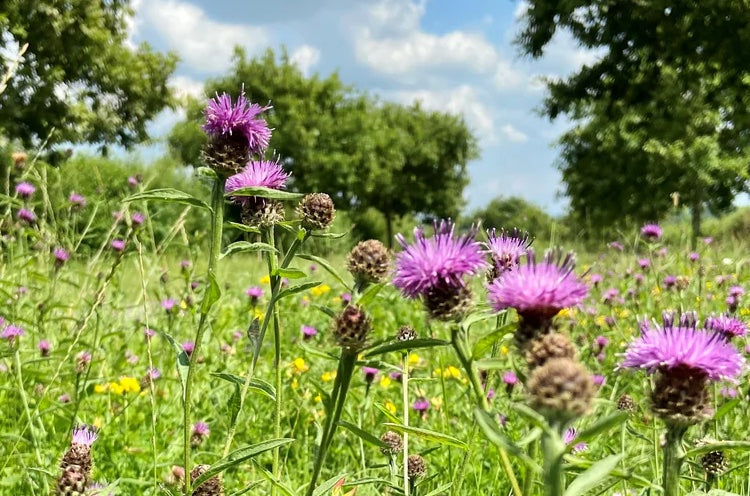
Sustainable, regenerative British Organic Walnut farming without chemicals
Learn MoreRest assured, our commitment to organic and regenerative farming means our products are free from pesticides, insecticides, and oil-based fertilisers. Experience the pure goodness of our organic walnuts, nourished by our thriving soil microbiome, promoting both digestion and gut health.
